
Revistas
-
Arboles y Rizomas
Es una revista académica de acceso abierto, con sistema de arbitraje doble ciego, que ofrece un espacio de diálogo para investigaciones en las áreas de Lingüística (Aplicada) y Literatura desde enfoques críticos. Convoca a quienes centran sus estudios en el lenguaje, ya sea en sus expresiones poéticas o en su manifestación como lengua en uso a través del discurso y diversos géneros discursivos. Su objetivo es estimular, divulgar y contribuir al desarrollo de los estudios literarios y lingüísticos, así como de sus múltiples zonas de convergencia. La revista acepta trabajos en español, inglés y portugués.
-
Arteoficio
La Revista Arteoficio es una publicación editada por la Escuela de Arquitectura de la Universidad de Santiago de Chile. Nace el año 2000 a partir de la necesidad de difundir nuestro quehacer académico y la inquietud de crear un lugar de reflexión sobre la enseñanza de la arquitectura y el urbanismo en particular y la técnica y el arte en general.
-
Culturas Científicas
Publicación anual y con una convocatoria permanentemente abierta, es editada por el Departamento de Filosofía de la Universidad de Santiago de Chile. La revista está destinada a la publicación de trabajos inéditos orientados hacia las ciencias y tecnologías, sean estas antiguas, modernas o contemporáneas. Se publican trabajos que contribuyan a la discusión acerca de las ciencias, técnicas y tecnologías desde perspectivas sociológicas, filosóficas, políticas, epistemológicas, históricas, lógicas, económicas, jurídicas, didácticas, antropológicas, y éticas.
-
Estudios Avanzados
Es una revista científica (peer reviewed) de aparición semestral (junio y diciembre de cada año) editada por el Instituto de Estudios Avanzados de la Universidad de Santiago de Chile, el cual se aloja en la Universidad de Santiago de Chile, institución de Educación Superior Estatal con una tradición desde 1849 en las artes y los oficios. Sus escritos cuentan con acceso abierto a partir de su publicación, exclusivamente en línea, en la plataforma Open Journal Source (OJS) y pueden ser escritos en castellano, inglés y portugués. Desde 1999 su objetivo ha sido difundir resultados inéditos y originales de investigaciones provenientes de las artes, humanidades y ciencias sociales con especial atención en enfoques interdisciplinarios, donde convergen discusiones sociales, políticas, artísticas, filosóficas, que preferentemente aborden las materias desde una perspectiva del sur global.
-
Palimpsesto
Es una publicación semestral de carácter multidisciplinario de la Facultad de Humanidades de la Universidad de Santiago de Chile que nace en el año 2004 en el departamento de Historia de la USACH. A partir del año 2015 inicia una segunda época adscrita a la Facultad de Humanidades de la Universidad de Santiago, transformándose en un espacio de difusión de estudios centrados en Chile e Iberoamérica, que aborden problemas de interés social, político, histórico y cultura. Luego de un proceso de reflexión y evaluación interna como del medio local y regional la revista toma la decisión de volcar sus objetivos y alcance hacia la promoción y difusión de la producción de conocimientos en el campo de los Estudios de Género y sus intersecciones con otros campos críticos de las ciencias sociales y humanidades. En este contexto, a partir del segundo semestre de 2025 (Volumen 15, N° 27), Palimpsesto solo publica trabajos vinculados a este campo de estudios, mantendrá su carácter de revista semestral, de acceso abierto, y sus artículos seguirán siendo sometidos a revisión de pares bajo el esquema de “doble ciego”. Recibirá colaboraciones en idioma español e inglés.
-
Políticas Públicas
La revista Políticas Públicas presenta artículos que provean análisis político, económico, sociológico o jurídico de políticas públicas o de dimensiones de la esfera pública. La revista se propone estimular la fertilización cruzada de ideas entre diversas disciplinas, ofrecer una fuente accesible sobre su estado del arte y sugerir nuevas orientaciones de investigación.
La revista Políticas Públicas forma parte de la actividad interdisciplinaria del Centro de Políticas para el Desarrollo y del Magíster en Gerencia y Políticas Públicas de la Facultad de Administración y Economía de la Universidad de Santiago de Chile.
La revista Políticas Públicas se publica semestralmente los meses de enero y julio de cada año.
-
Re-presentaciones: Periodismo, comunicación y sociedad
Es el principal órgano de difusión académica y de investigación de la Escuela de Periodismo de la Universidad de Santiago de Chile. Su publicación es semestral y está orientada a la promoción, difusión y generación de conocimiento producido tanto por investigadoras (es) y docentes como por estudiantes. Re-Presentaciones inicia un nuevo ciclo impulsando el desarrollo de la investigación en los campos de la comunicación social, periodismo y estudios culturales, desde los más diversos enfoques teóricos, epistemológicos y temáticos. Re-Presentaciones promueve un especial énfasis en aquellas perspectivas reflexivas que abordan los problemas actuales con rigor, creatividad y espíritu crítico.
-
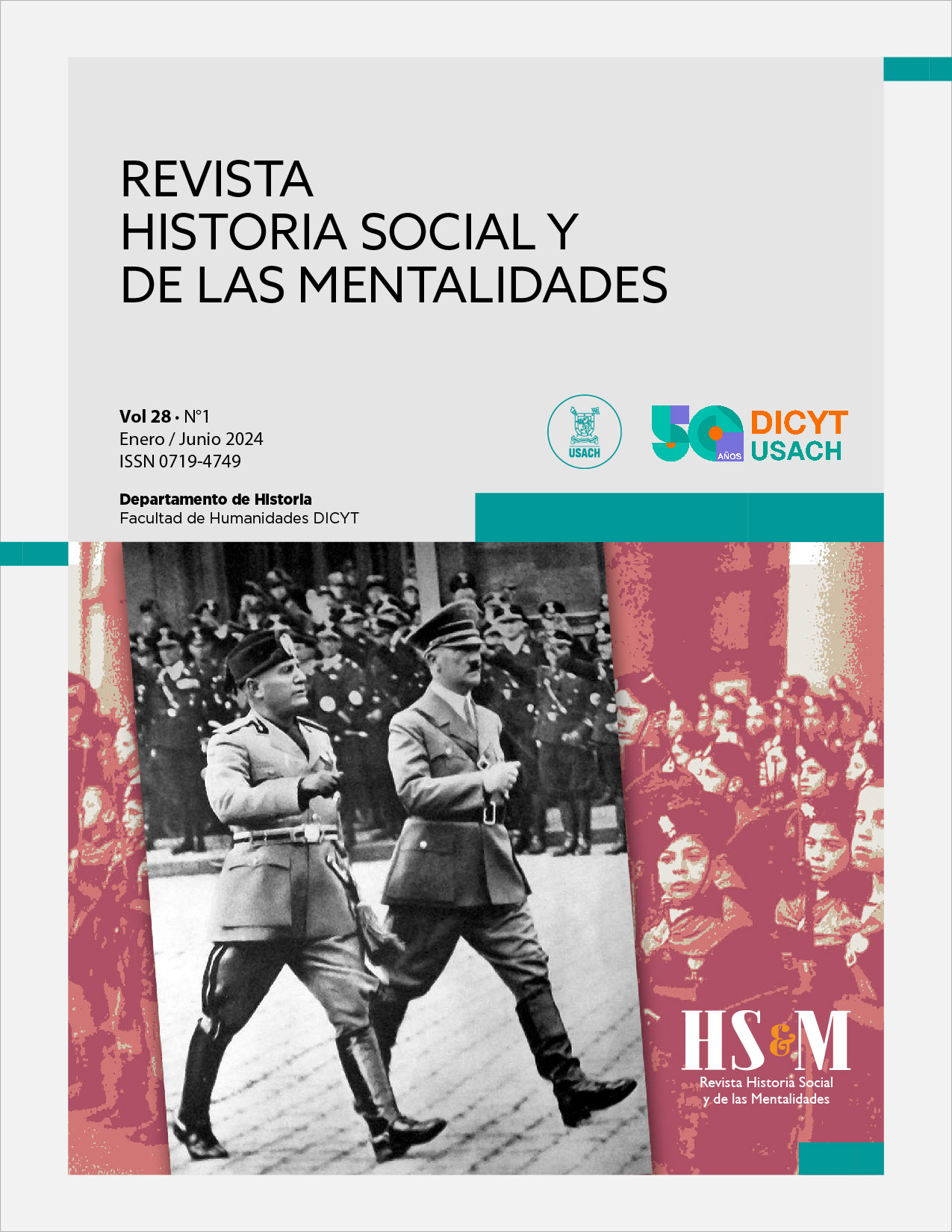
Revista de Historia Social y de las Mentalidades
Es una publicación bianual con revisión por pares (peer review), adscrita al Departamento de Historia de la Universidad de Santiago de Chile. La revista esta abierta a toda contribución académica que aborde los fenómenos políticos, económicos, sociales y culturales en la historia, a partir de distintas herramientas de análisis tanto de las humanidades como de las diferentes ciencias sociales. RHSM proporciona acceso libre al texto completo de sus contenidos desde su publicación on-line y asume los costos de procesamiento de las contribuciones que propaga.
-
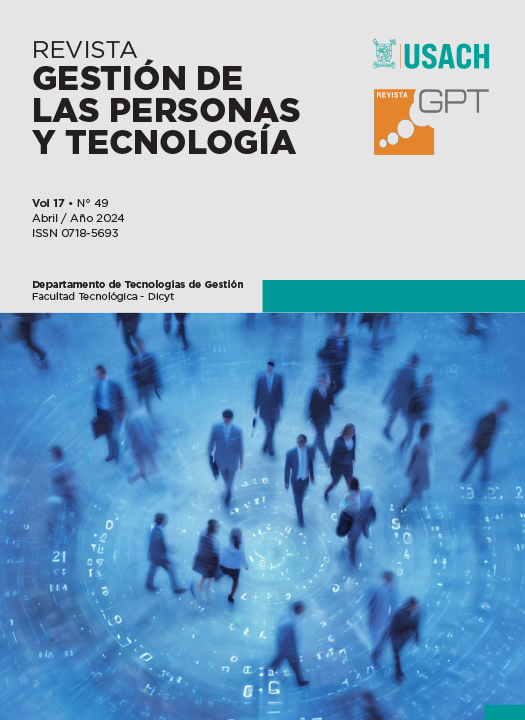
Revista Gestión de las Personas y Tecnología
Tiene como propósito publicar artículos originales -en la modalidad de ensayos y resultados de investigación- en los ámbitos o áreas de la gestión de personas y de la tecnología desarrollados, preferentemente, en América Latina y el mundo hispano.
-
Revista Universidad y Territorio
Universidad y Territorio es una publicación semestral y de libre acceso que difunde y promueve conocimiento original respecto al quehacer académico de vinculación con el medio y extensión universitaria.
-
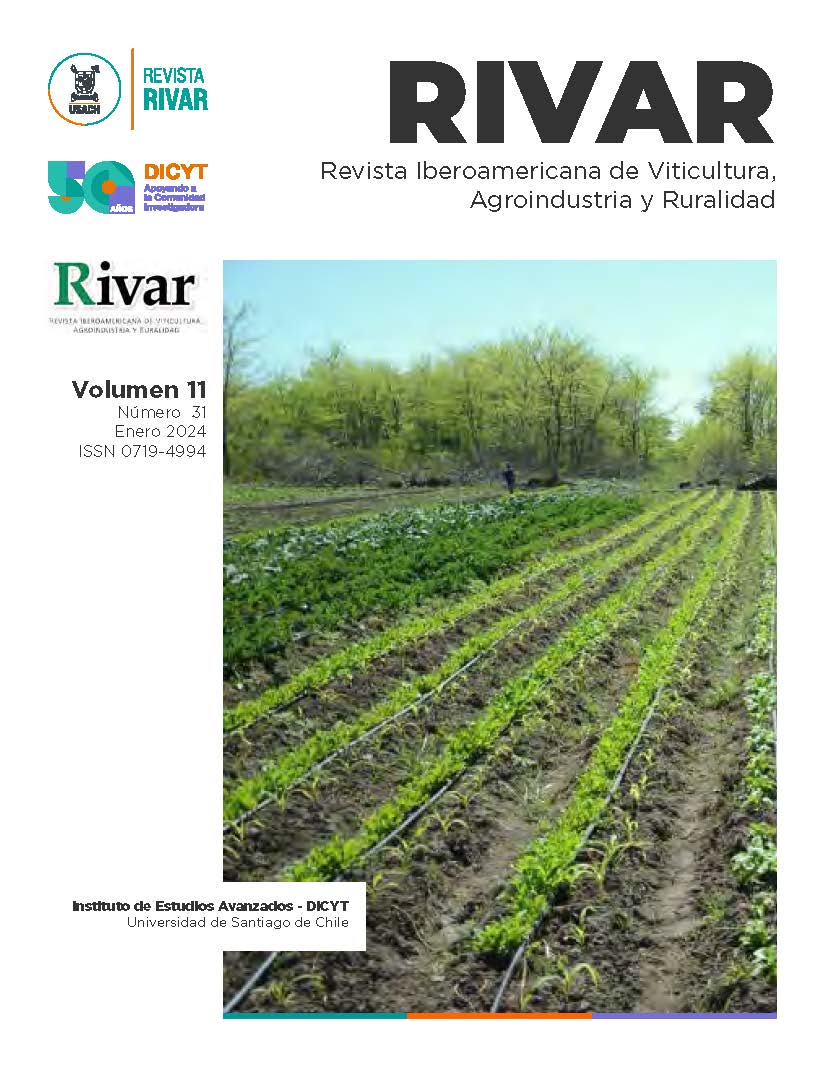
RIVAR
Es una revista multidisciplinaria, que nace del cruce entre las ciencias agrarias y las ciencias sociales y humanidades. Está focalizada en patrimonio agroalimentario, vitivinicultura, agricultura, agroindustria, gastronomía, culturas alimentarias (arte y cultura) y sus paisajes, desde la producción hasta el consumo.
